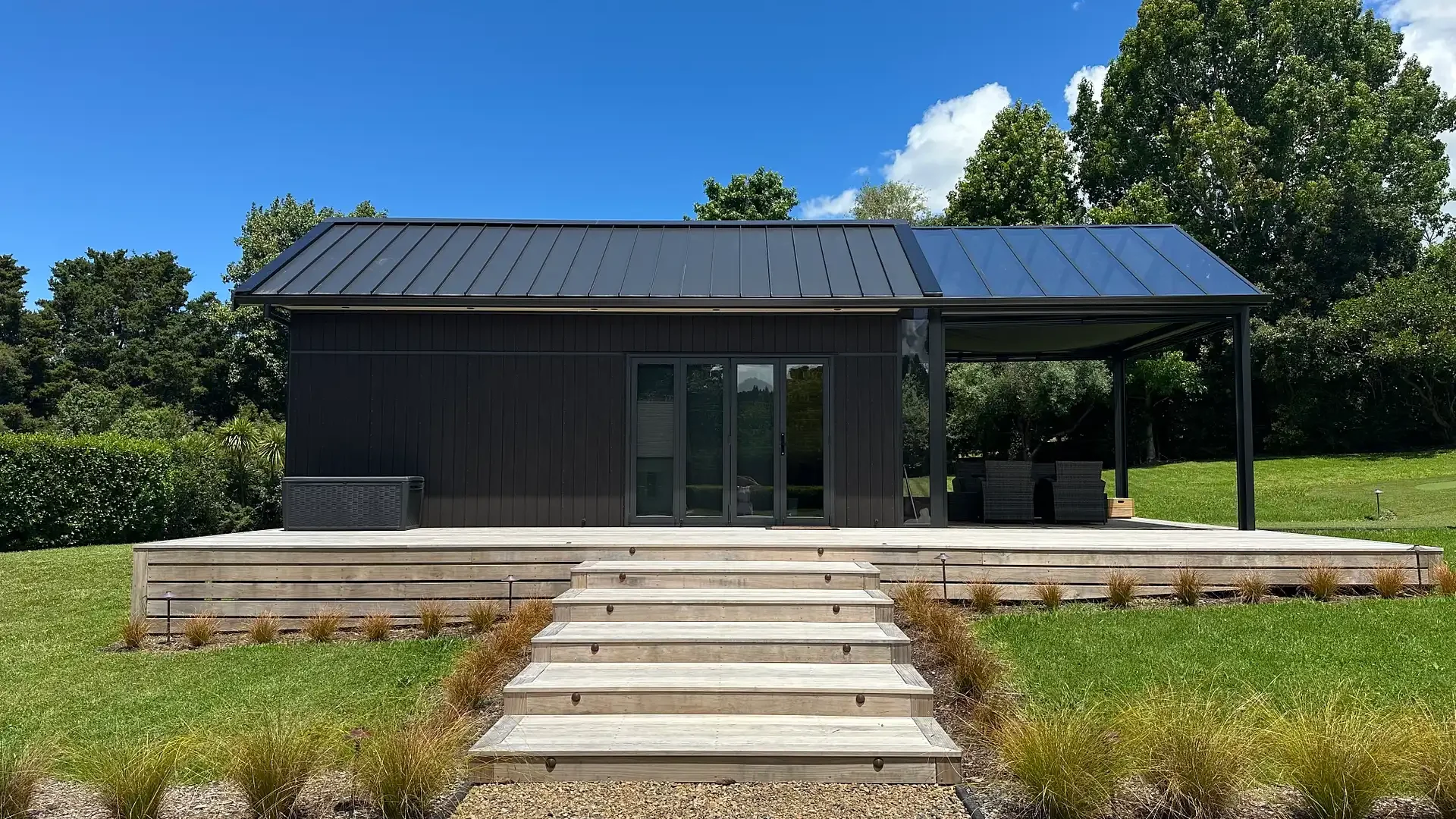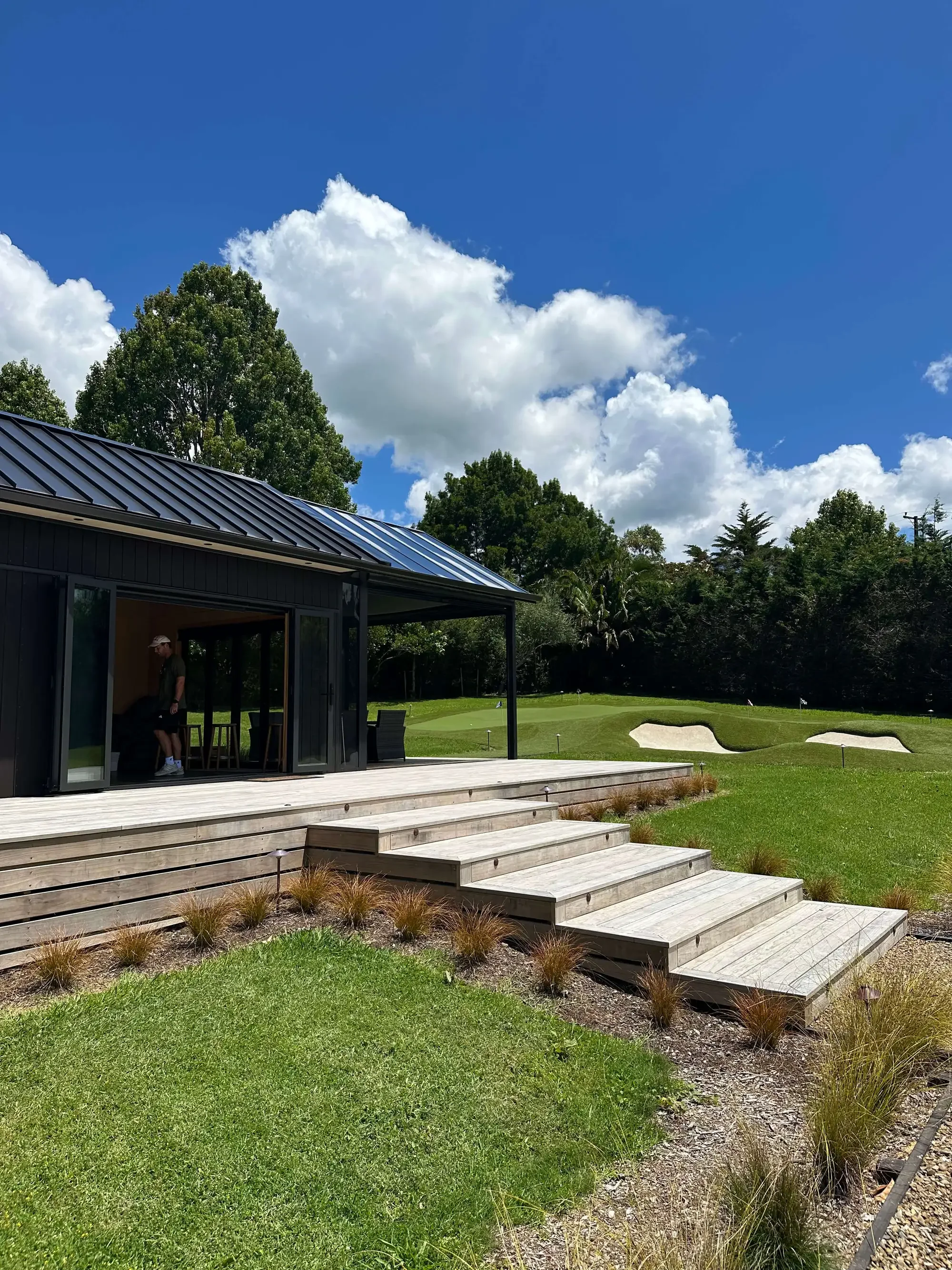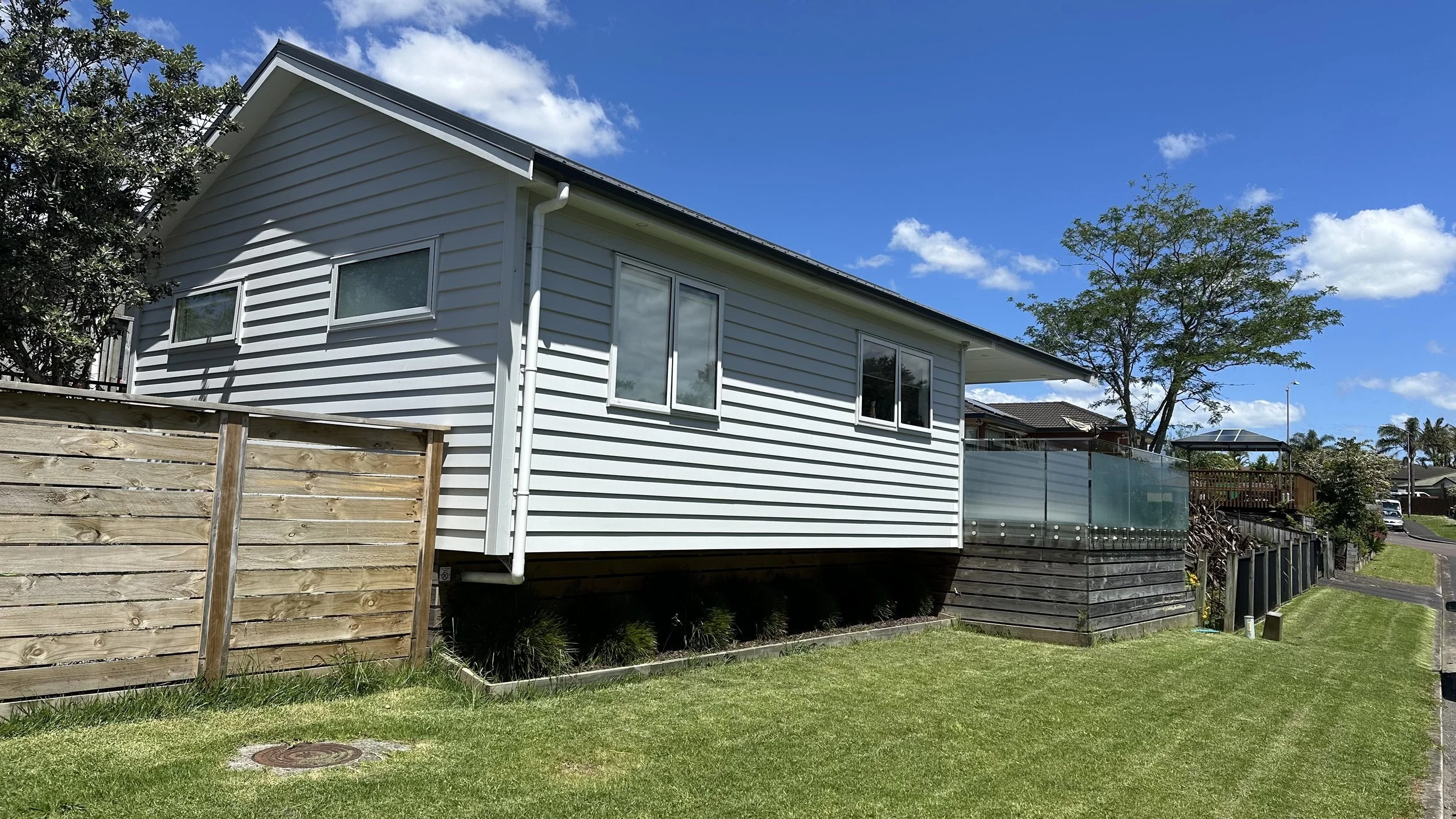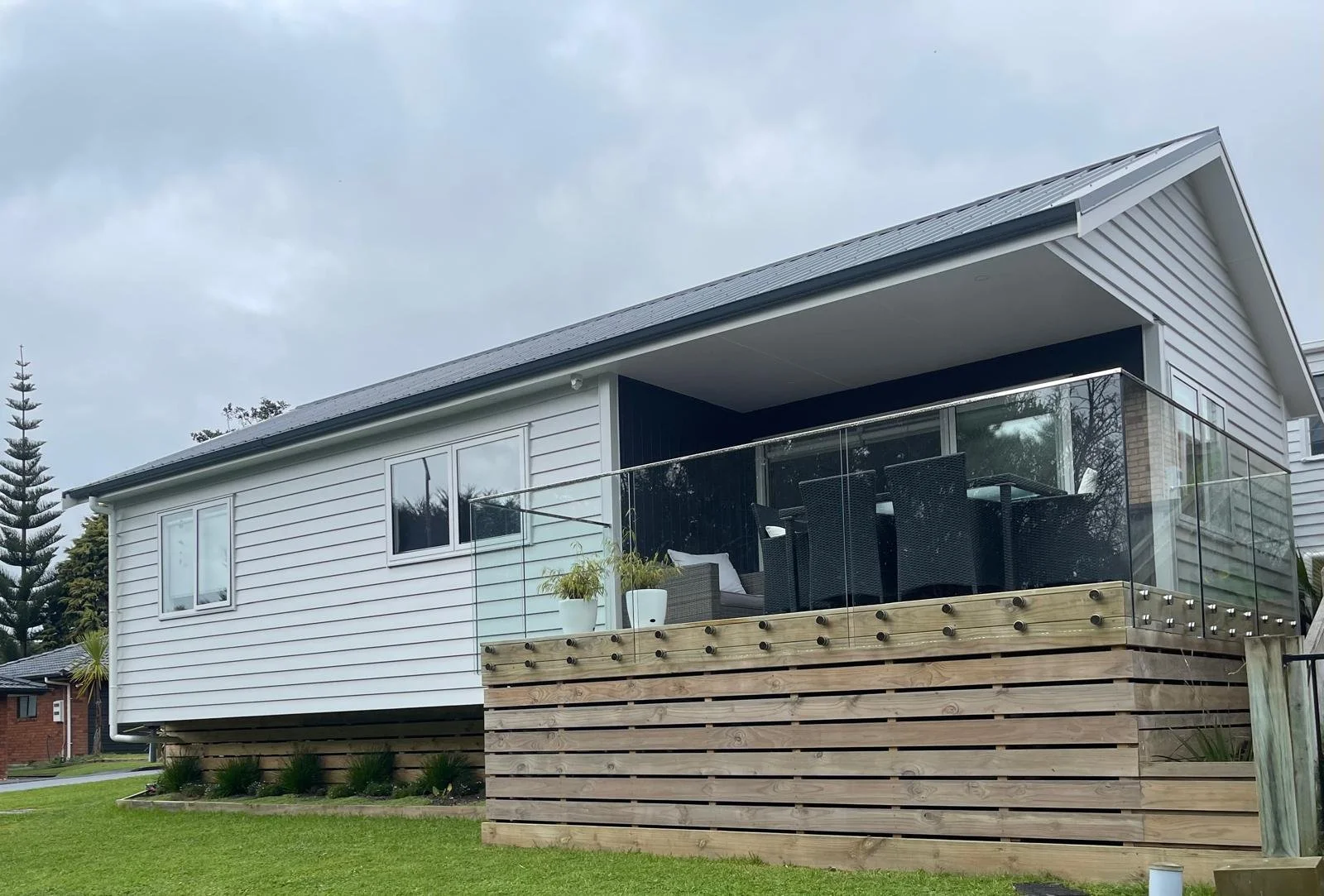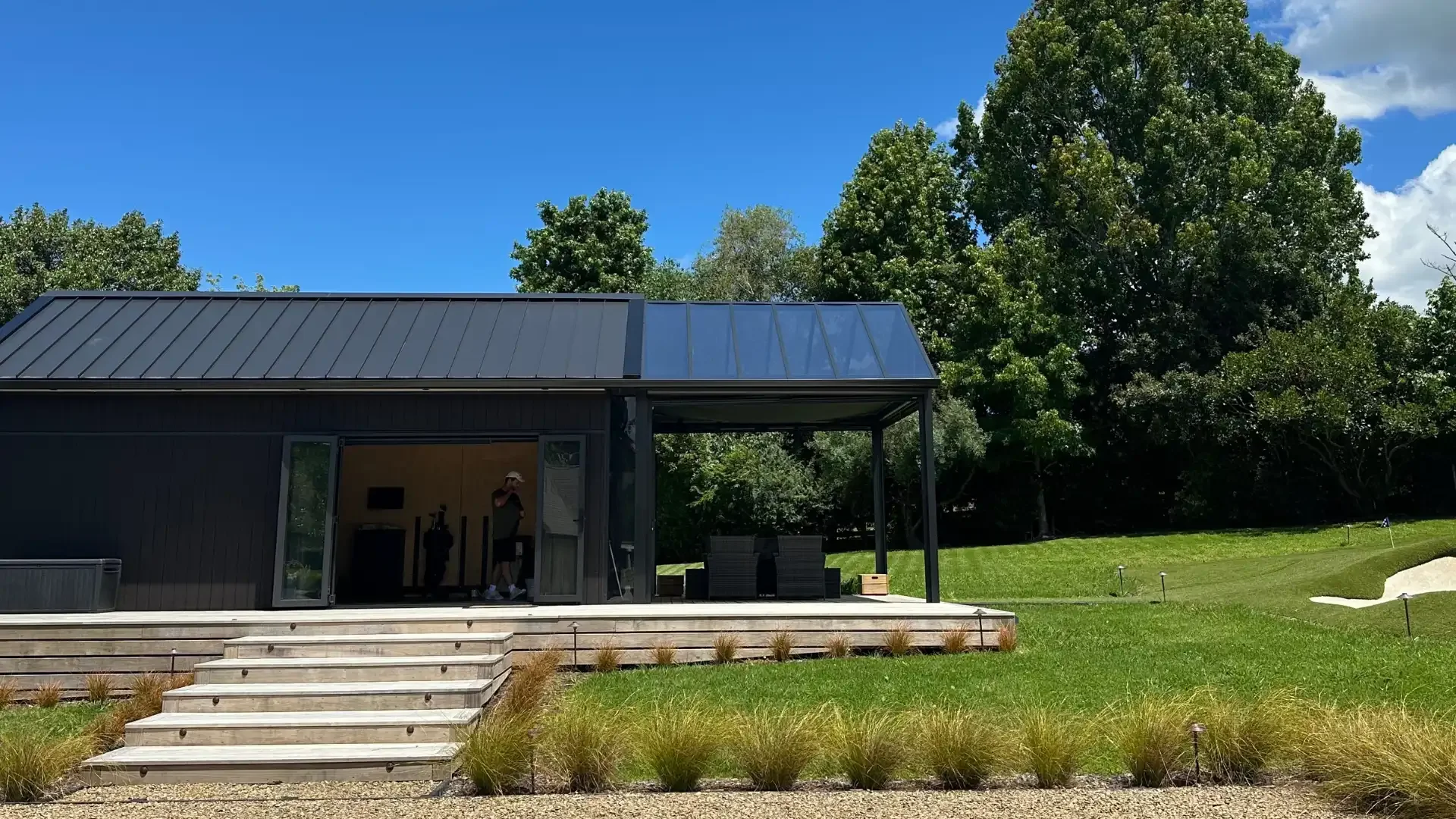
Granny Flats NZ 2026: New Building Consent Exemption Explained
From January 2026, new granny flat laws in New Zealand are making it easier, faster, and more affordable to build a granny flat on your property — without needing full building consent.
If you’re a homeowner in New Zealand, this is a major opportunity to unlock extra space, add value, and create flexible living options.
What are the new granny flat rules in NZ?
Under the 2026 law change, small standalone dwellings up to 70m² can now be built without building consent, provided they meet these specific requirements:
Be 70m² or smaller
Be single-storey
Maximum floor level is 1m above ground
Maximum building height 4m above floor level
Be 2m away from other residential buildings or boundaries
Meet the New Zealand Building Code
Be built or supervised by Licensed Building Practitioners (LBPs)
Be a simple design (no complex structural elements)
Notify Council before and after construction and meet any outlined requirements
In many cases, resource consent may also not be required, depending on your site and zoning.
What does this mean for homeowners?
The new granny flat consent exemption is designed to make building a granny flat in NZ more accessible.
1. Faster build timelines
Without building consent delays, you can move from design to construction much quicker.
2. Lower building costs
The new laws saves $5,000 - $10,000 in consent fees, making granny flats one of the most cost-effective ways to expand and add value to your property.
3. Add value to your property
Granny flat’s are one of the fastest-growing building trends in New Zealand due to the long-term investment potential they provide. Adding a secondary dwelling significantly boosts resale value and buyer appeal – this is a huge win in Auckland’s competitive property market.
Rental income (generating passive income)
Multi-generational living opportunities (providing affordable housing for family members)
Guest accommodation
Home office or studio space
What you still need to be aware of
While you may not need building consent, there are still important rules and costs involved.
1. Building Code compliance is mandatory
Your granny flat must still meet all structural, safety, and durability requirements under NZ Building Code regulations.
2. Licensed builders are required
Restricted building work must be completed or overseen by certified Licensed Building Practitioners.
3. Council will still be involved
You’ll still need to:
Notify council before building starts
Apply for and receive a Project Information Memorandum (PIM) before starting construction
Get approval for connections to network utilities (water and electricity supply, stormwater and wastewater disposal)
Obtain other required approvals depending on your project
Meet the rules and requirements of the Resource Management Act
Provide documentation after completion
As your Licensed Building Practitioner, we can manage this process with Council for you.
4. Additional costs may still apply
Even without consent fees, you may still need to budget for:
Site works and foundations
Plumbing and drainage connections
Power and utilities
Development or infrastructure contributions
Architecture and planning costs
Build your granny flat with confidence
While the laws make building a granny flat more accessible, getting it right still requires expert planning, smart design, and experienced builders.
As a Licensed Building Practitioner, we specialise in delivering compliant, cost-effective granny flats in Auckland.
Thinking about building a granny flat?
Reach out to the team to discuss your project and explore what’s possible on your property.